
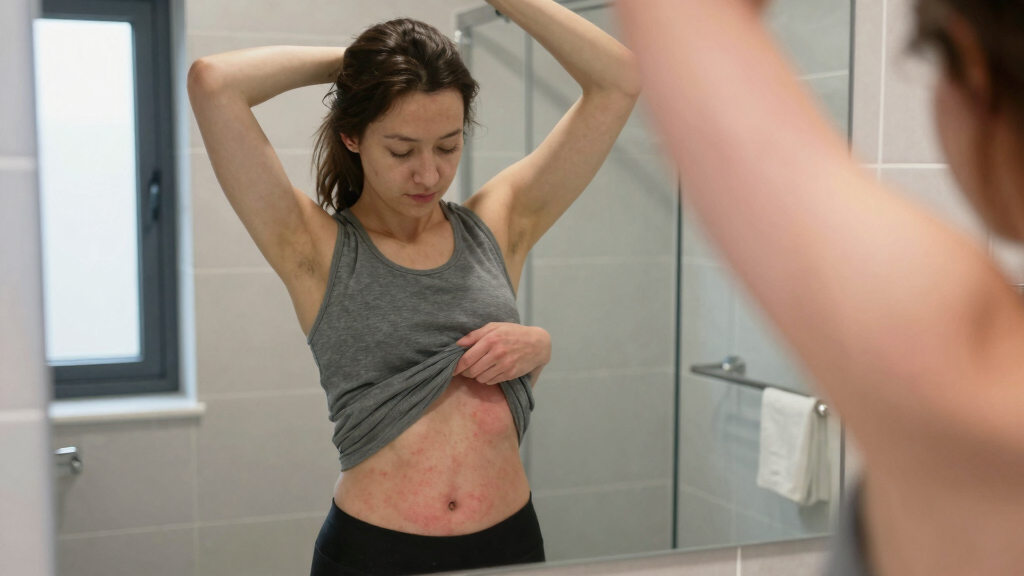

TL;DR
Hidradenitis suppurativa (HS) can appear in seven specific areas of the body, including underarms, breasts, groin, inner thighs, buttocks, neck, and waist. Recognizing these sites helps with early diagnosis and management.
Hidradenitis suppurativa (HS) can develop in seven specific areas of the body, including underarms, breasts, groin, inner thighs, buttocks, neck, and waist, making awareness of these sites crucial for early diagnosis and treatment.
HS is a chronic inflammatory skin condition characterized by painful lumps, abscesses, and interconnected tunnels beneath the skin. It predominantly affects areas rich in sweat glands and hair follicles, which can become clogged and infected, leading to inflammation and discomfort.
According to health experts, the seven most common sites for HS are the underarms, breasts (including around the areolae), groin, inner thighs, buttocks, neck, and waistline. These areas are prone to friction, sweating, and hair removal, all of which can trigger or worsen HS flare-ups.
Research indicates that factors such as hormonal shifts, skin friction, and bacterial growth contribute to HS development in these regions. For example, the armpits and groin are especially susceptible due to constant movement and moisture, while the breasts and neck are affected by clothing and jewelry friction. The buttocks area is also frequently impacted, possibly linked to inflammatory bowel disease associations, according to some studies.
Implications for Early Detection and Management
Understanding the specific areas where HS commonly appears enables patients and healthcare providers to recognize symptoms earlier, leading to prompt diagnosis and tailored treatment plans. Early intervention can reduce disease progression, alleviate pain, and improve quality of life. Awareness of these common sites also helps distinguish HS from other skin conditions, preventing misdiagnosis and unnecessary treatments.
Hidradenitis suppurativa underarm treatment
As an affiliate, we earn on qualifying purchases.
As an affiliate, we earn on qualifying purchases.
Body Regions Prone to HS Development
HS affects areas with high densities of sweat glands and hair follicles, particularly where friction and moisture are frequent. Historically, the condition has been recognized mainly in the armpits and groin, but recent insights highlight additional common sites such as the breasts, neck, and buttocks. These areas are often impacted due to factors like clothing friction, hair removal, and hormonal influences, which can exacerbate HS symptoms.
While the exact causes of HS remain unclear, genetic, hormonal, and environmental factors are believed to contribute. The disease tends to develop in regions prone to sweating and friction, with some research suggesting links to inflammatory bowel disease, especially concerning the buttocks area.
“Recognizing the specific body regions affected by HS is essential for early diagnosis and effective management.”
— an anonymous researcher
HS pain relief creams for groin
As an affiliate, we earn on qualifying purchases.
As an affiliate, we earn on qualifying purchases.
Unclear Aspects of HS Location Patterns
While these seven areas are most commonly affected, it is not yet fully understood why HS develops in some regions over others or why some individuals experience more widespread involvement. The precise role of hormonal fluctuations and genetic predisposition in regional susceptibility remains under investigation. Additionally, the connection between HS and other inflammatory conditions, such as inflammatory bowel disease, is still being studied.
anti-friction clothing for sensitive skin
As an affiliate, we earn on qualifying purchases.
As an affiliate, we earn on qualifying purchases.
Future Directions in HS Research and Care
Researchers aim to better understand the triggers and mechanisms behind HS localization to improve diagnostic accuracy and develop targeted treatments. Increased awareness among healthcare providers and patients about these common sites can facilitate earlier intervention. Ongoing studies into hormonal influences and genetic factors may also lead to personalized management strategies, reducing HS’s impact on quality of life.
moisture-wicking underwear for HS
As an affiliate, we earn on qualifying purchases.
As an affiliate, we earn on qualifying purchases.
Key Questions
Which body parts are most commonly affected by hidradenitis suppurativa?
The most common areas are the underarms, breasts, groin, inner thighs, buttocks, neck, and waistline.
Why does HS tend to appear in these specific areas?
These regions are prone to sweating, friction, and hair removal, which can clog hair follicles and sweat glands, triggering HS flare-ups.
Can HS develop in other parts of the body?
Yes, though less common, HS can also appear in areas like the scalp or around the waist, especially if there is friction or skin fold involvement.
What should I do if I suspect I have HS?
Consult a dermatologist for proper diagnosis and personalized treatment options. Early management can help reduce symptoms and prevent progression.
Is there a link between HS and other health conditions?
Some studies suggest a connection between HS and inflammatory bowel disease, but more research is needed to understand these links fully.
Source: Greatist