

TL;DR

Get health and wellness essentials delivered free with Prime
- Fast, free delivery on millions of items
- Prime Video, Amazon Music and more included
- Member-only deals all year
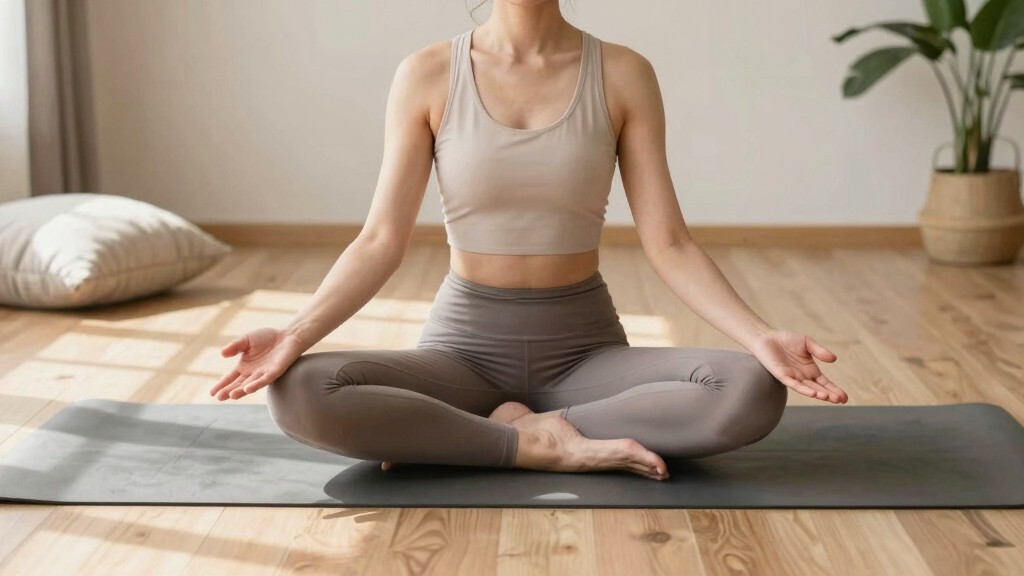
Practicing Hero Pose (Virasana) helps deepen inward focus and build self-trust by fostering surrender and self-awareness. Experts link the pose to psychological growth and physical healing, making it a valuable tool for personal development.
Practicing Hero Pose (Virasana) has been shown to promote inward focus and self-trust, according to yoga scholars and practitioners. This pose, rooted in traditional yoga philosophy, encourages surrender and self-awareness, which can translate into psychological resilience and inner calm.
Yoga experts explain that Hero Pose facilitates a physical and mental state conducive to introspection. The pose’s emphasis on inward rotation of the thighs and surrendering posture aligns with yogic principles of surrender (Ishvara-pranidhana) and discipline (tapas). This connection supports the idea that regular practice can strengthen self-trust by fostering a sense of internal stability and calmness.
According to a 1989 article from Yoga Journal, Virasana embodies the archetypal hero’s journey—entering an inner realm of supernatural wonder, confronting fears, and returning with clarity and vitality. Practitioners report that the pose’s focus on patience and surrender helps cultivate a mindset of inward exploration, which can translate into greater confidence and trust in oneself outside the mat.
Why Hero Pose Practice Enhances Self-Trust and Inner Focus
Regular practice of Hero Pose can serve as a physical and psychological anchor, helping individuals develop greater self-awareness, patience, and confidence. This alignment between body and mind supports mental resilience and emotional stability, making the pose a valuable tool for personal growth. Experts suggest that the act of surrendering in Virasana mirrors the internal process of trusting oneself, which can have lasting benefits beyond yoga practice.
Products Worth Considering

Hyperice Hypervolt 2 Handheld Percussion Massage Gun

Philips Sonicare ProtectiveClean 5300 Rechargeable Electric Toothbrush with 3 Brush Heads, Black

Fitbit Sense 2 Health and Fitness Smartwatch, Shadow Grey/Graphite
As an affiliate, we earn on qualifying purchases.
Historical and Philosophical Foundations of Virasana
Virasana, or Hero Pose, originates from traditional yoga practices that emphasize inward rotation and surrender. Historically, the pose symbolizes humility and submission, key components of yogic philosophy linked to the stages of the hero’s journey—detachment, surrender, and return. The 1989 Yoga Journal article connects these themes to the psychological benefits of the pose, emphasizing its role in fostering inner strength and trust.
Modern practitioners and teachers note that Virasana’s focus on inward rotation and patience makes it particularly effective for developing self-awareness and emotional resilience, aligning with the broader spiritual goals of yoga practice.
“Virasana’s emphasis on surrender and inward rotation helps practitioners cultivate patience and trust in their inner process.”
— Yoga expert Dr. Lisa Chen
Uncertain Aspects of Long-Term Psychological Impact
While anecdotal and philosophical links suggest that Hero Pose can enhance self-trust and inward focus, there is limited empirical research quantifying these psychological benefits. It remains unclear how sustained practice influences long-term mental resilience or whether these effects are universal across different populations.
Further scientific studies are needed to substantiate the psychological claims associated with Virasana and to understand individual variations in response to the pose.
Future Research and Practical Applications of Hero Pose
Researchers and yoga practitioners are calling for more empirical studies to explore the long-term psychological benefits of Hero Pose. Meanwhile, yoga teachers continue to incorporate Virasana into routines aimed at fostering inward reflection and self-trust, emphasizing its role as a tool for personal development.
Practitioners are encouraged to approach Virasana with patience and awareness, integrating it into broader mindfulness and self-awareness practices for holistic growth.
Key Questions
How does Hero Pose help build self-trust?
By encouraging surrender, patience, and inward focus, Hero Pose helps practitioners develop confidence in their inner process and fosters a sense of stability and self-awareness.
Can anyone practice Hero Pose safely?
Most people can practice Virasana, but those with knee or ankle issues should modify or consult a yoga instructor to avoid strain or injury.
How often should I practice Hero Pose to see benefits?
Consistent practice, starting with brief sessions and gradually increasing duration, can help develop the physical and mental benefits over time. It’s best to integrate Virasana into a balanced yoga routine.
Are there specific mental benefits associated with Hero Pose?
Practitioners report increased feelings of calm, patience, and inward confidence, which may translate into greater self-trust and emotional resilience.
Source: Yoga Journal