

TL;DR

Get health and wellness essentials delivered free with Prime
- Fast, free delivery on millions of items
- Prime Video, Amazon Music and more included
- Member-only deals all year
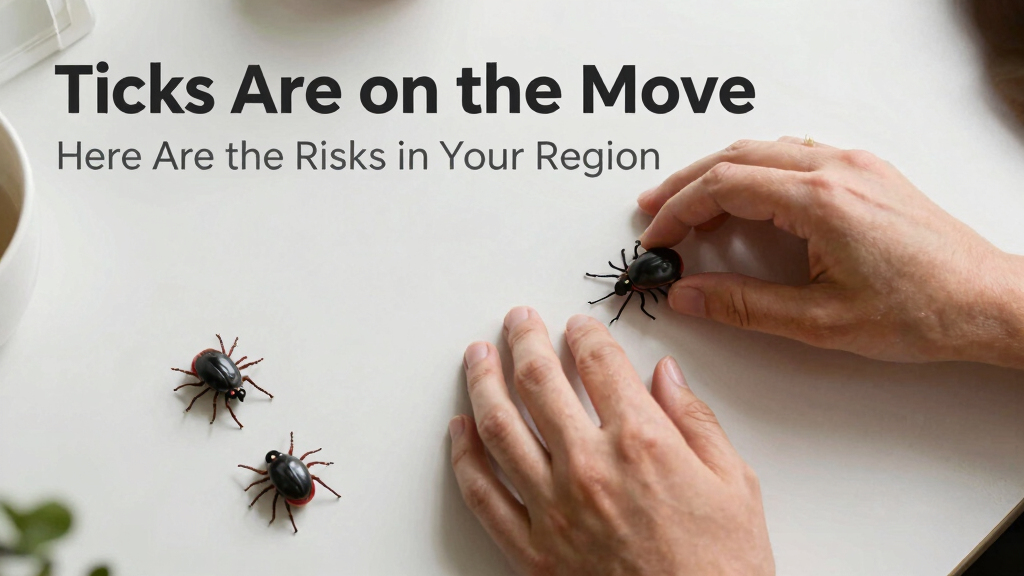
Ticks are migrating into new regions, heightening the risk of tick-borne diseases. Health officials warn residents to be vigilant, especially in affected areas. The full extent of the spread is still being studied.
Recent data confirms that tick populations are expanding into new regions, increasing the risk of tick-borne illnesses. Public health officials warn residents in affected areas to take precautions as the geographic range of ticks continues to grow, driven by climate change and changing land use patterns.
Multiple regional health agencies have reported a rise in tick activity over the past year, with some areas experiencing a doubling of tick encounters compared to previous years. Experts attribute this shift to warmer temperatures and increased wildlife movement, which facilitate tick migration. The most common species, black-legged ticks and dog ticks, are known carriers of diseases such as Lyme disease, anaplasmosis, and Rocky Mountain spotted fever.
According to the Centers for Disease Control and Prevention (CDC), cases of tick-borne diseases have been steadily increasing nationwide, with some regions reporting record numbers. Local health departments are advising residents to use insect repellent, perform tick checks, and clear tall grass and brush from yards to reduce exposure risk. While the overall trend indicates a geographic spread, specific hotspots are still being identified as new areas become affected.
Implications of Tick Spread for Public Health
The expansion of tick populations into new regions poses a significant public health concern, as it increases the potential for disease transmission. Lyme disease, which can cause long-term health issues if untreated, remains the most common tick-borne illness in the United States. The rising incidence means more residents are at risk, especially in rural and suburban communities where outdoor activities are frequent.
Health officials emphasize that early detection and prevention are critical. The spread also challenges healthcare providers to increase awareness and diagnostic readiness for tick-borne diseases, which can be misdiagnosed due to overlapping symptoms with other illnesses. Overall, the geographic shift underscores the need for updated public health strategies and community education efforts.
tick repellent spray for outdoor use
As an affiliate, we earn on qualifying purchases.
As an affiliate, we earn on qualifying purchases.
Recent Trends in Tick Migration and Disease Cases
Over the past decade, climate change has contributed to milder winters and longer warm seasons, creating favorable conditions for ticks to survive and reproduce in new areas. Studies published by entomologists and epidemiologists show a clear correlation between rising temperatures and increased tick activity in northern and higher-altitude regions.
In 2022, CDC data indicated a 25% rise in reported cases of Lyme disease compared to the previous year, with many new cases emerging in states previously considered low-risk. Local surveillance programs have documented the presence of ticks in urban parks, recreational areas, and even residential neighborhoods that historically had low tick populations.
Experts warn that continued environmental changes could further expand tick habitats, complicating efforts to control their spread and protect public health.
“The geographic range of ticks is expanding, and we’re seeing more cases in areas that previously had minimal exposure. This trend is likely to continue if climate patterns persist.”
— Dr. Lisa Martinez, CDC Epidemiologist
As an affiliate, we earn on qualifying purchases.
Unclear Extent and Future Spread of Ticks
While current data confirms an increase in tick activity and geographic range, the full extent of future spread remains uncertain. Researchers are still studying how environmental factors and wildlife movement will influence tick populations in the coming years. Additionally, the variability in local climate conditions makes precise predictions challenging, and some regions may experience more rapid expansion than others.
yard brush and grass clearing tools
As an affiliate, we earn on qualifying purchases.
As an affiliate, we earn on qualifying purchases.
Monitoring and Response Strategies Moving Forward
Public health agencies plan to enhance surveillance efforts to map tick distribution more accurately. Researchers will continue studying environmental factors influencing tick migration, aiming to develop targeted prevention campaigns. Residents are encouraged to stay informed through local health advisories and adopt recommended precautions during outdoor activities. Further updates on tick activity and disease trends are expected as new data emerges.
As an affiliate, we earn on qualifying purchases.
Key Questions
What are the main diseases transmitted by ticks?
The most common tick-borne diseases include Lyme disease, anaplasmosis, and Rocky Mountain spotted fever. Symptoms vary but can include fever, fatigue, joint pain, and rash. Early diagnosis and treatment are essential.
How can I reduce my risk of tick bites?
Use insect repellent containing DEET, wear long sleeves and pants outdoors, perform thorough tick checks after outdoor activities, and clear yard brush and tall grass to reduce tick habitats.
Are ticks present in urban areas?
Yes, recent studies have documented ticks in urban parks and residential neighborhoods, making outdoor exposure risks more widespread than previously thought.
What should I do if I find a tick attached to my skin?
Use fine-tipped tweezers to grasp the tick close to the skin and pull upward with steady, even pressure. Clean the bite area and your hands thoroughly. Seek medical advice if symptoms develop or if the tick was attached for more than 24 hours.
Source: rss
Halloween Picks
halloween
As an affiliate, we earn on qualifying purchases.