
TL;DR

Get health and wellness essentials delivered free with Prime
- Fast, free delivery on millions of items
- Prime Video, Amazon Music and more included
- Member-only deals all year
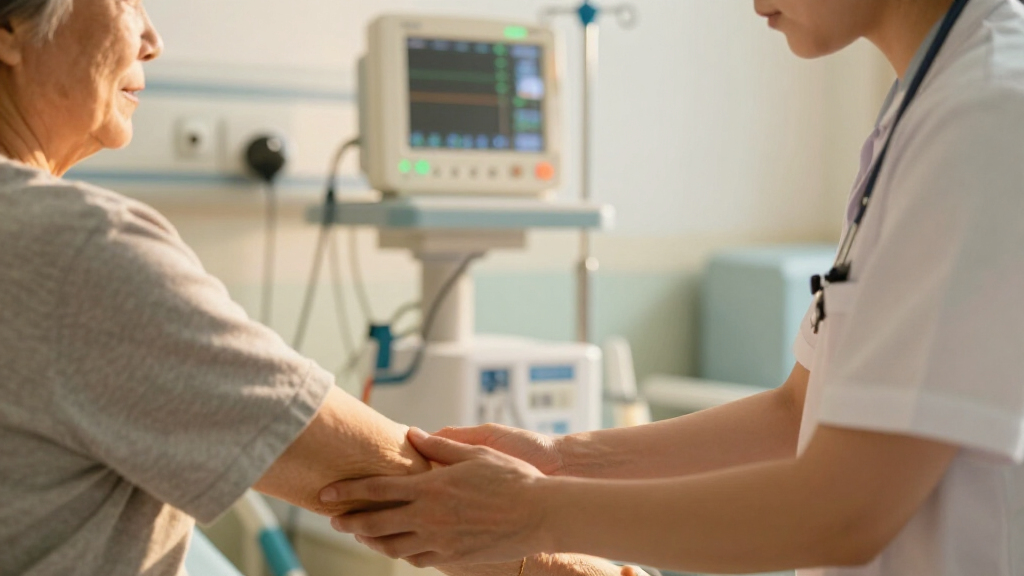
Geriatric emergency departments (GEDs) are specialized units that provide tailored care for older adults. They differ from traditional EDs by focusing on specific needs, which may improve outcomes for seniors. This report explores how GEDs operate and why they matter.
Impacts on Elderly Patient Outcomes and Healthcare Systems
The development of geriatric emergency departments represents a targeted response to the growing elderly population and their complex healthcare needs. By providing specialized care, GEDs aim to reduce adverse events such as falls, delirium, and hospital readmissions. This shift could lead to better quality of life for seniors, lower healthcare costs, and more efficient emergency care. Healthcare systems are increasingly recognizing the value of such units, which could influence policy and funding priorities. However, widespread implementation remains uneven, and long-term data on cost-effectiveness is still emerging.Products Worth Considering

Philips Sonicare DiamondClean 9900 Prestige Electric Toothbrush

Therabody JetBoots Prime Wireless Compression Boots – Short (under 29 inseam)

Hyperice Normatec Elite Wireless Compression Recovery Boots, Standard Size
As an affiliate, we earn on qualifying purchases.
Growing Need for Specialized Emergency Care for Seniors
The U.S. population aged 65 and older is projected to reach over 75 million by 2030, increasing demand for healthcare services tailored to their needs. Traditional emergency departments often struggle to address the complex medical, cognitive, and social issues faced by older adults, leading to higher rates of complications and readmissions. The concept of geriatric emergency departments has emerged over the past decade as a response to these challenges, with pilot programs demonstrating improved patient outcomes. Experts highlight that environmental modifications and staff training in geriatrics are key components of successful GEDs. Adoption has been gradual, with more hospitals recognizing the potential benefits amidst ongoing healthcare reforms.“Geriatric EDs are designed to provide a safer, more comprehensive approach to emergency care for older adults, which can significantly reduce complications and improve recovery.”
— Dr. Susan Miller, Geriatric Emergency Physician
Long-Term Benefits and Widespread Adoption Challenges
It is still unclear how cost-effective geriatric emergency departments are over the long term, and whether their benefits justify broader implementation across diverse healthcare settings. Data on patient outcomes beyond initial pilot studies remains limited, and funding models vary between hospitals, potentially affecting expansion.Monitoring Outcomes and Expanding Geriatric Emergency Care
Researchers and healthcare providers are expected to continue studying the long-term impacts of GEDs on patient health and hospital efficiency. Policy efforts may focus on standardizing training and environmental modifications. Additionally, more hospitals are likely to pilot or expand geriatric emergency units, with government and private funding potentially supporting wider adoption. Tracking patient outcomes and cost metrics will be critical in assessing their future role in emergency medicine.Key Questions
What are the main features of a geriatric emergency department?
Geriatric emergency departments feature environmental modifications, specialized staff trained in geriatrics, and protocols tailored to older adults’ needs, including comprehensive assessments of medical, cognitive, and social factors.
How do GEDs improve patient outcomes?
By providing tailored care, GEDs aim to reduce complications such as falls, delirium, and hospital readmissions, leading to better recovery and higher patient satisfaction.
Are geriatric emergency departments widely available?
No, their adoption is still growing. While pilot programs have shown success, many hospitals have yet to implement dedicated geriatric units due to costs and logistical challenges.
What are the costs associated with establishing a GED?
Costs include environmental modifications, staff training, and additional resources. The long-term savings from improved outcomes are still being evaluated, and funding models vary across institutions.
Will all emergency departments adopt geriatric-specific care?
It is uncertain. Adoption depends on factors like hospital resources, policy support, and evidence of long-term benefits. Ongoing research and policy developments will influence future expansion.
Source: rss