TL;DR

Get health and wellness essentials delivered free — and shop member deals
- Fast, free delivery on millions of items
- Access to Prime Big Deal Days deals on October 6–7
- Prime Video, Amazon Music and more included
Massage guns may temporarily improve muscle flexibility and soreness but don’t replace good sleep, nutrition, or rest. They’re best seen as a supportive tool rather than a magic fix for recovery.
Imagine finishing a tough workout, muscles feeling tight and sore, and reaching for a handheld device that hums gently in your hand. Massage guns, those sleek, percussive tools, have become a popular way to soothe tight muscles and boost mobility.
But how much do they really help? Are they a quick fix or just a fancy gadget? You’re about to learn what science says, how to use these devices safely, and what you should keep in mind before pressing that trigger.
Massage guns can temporarily improve range of motion and reduce soreness but do not significantly speed tissue repair.
Start slow, use gentle pressure, and avoid overdoing sessions—30 to 60 seconds per muscle is enough.
They are safest when used away from bones, joints, and sensitive areas, especially if you have medical concerns.
Recent models offer smarter features, but effectiveness depends on individual needs and proper use, not just tech specs.
Combine massage gun use with sleep, hydration, and balanced training for real recovery benefits.
What Are Massage Guns and How Do They Work?
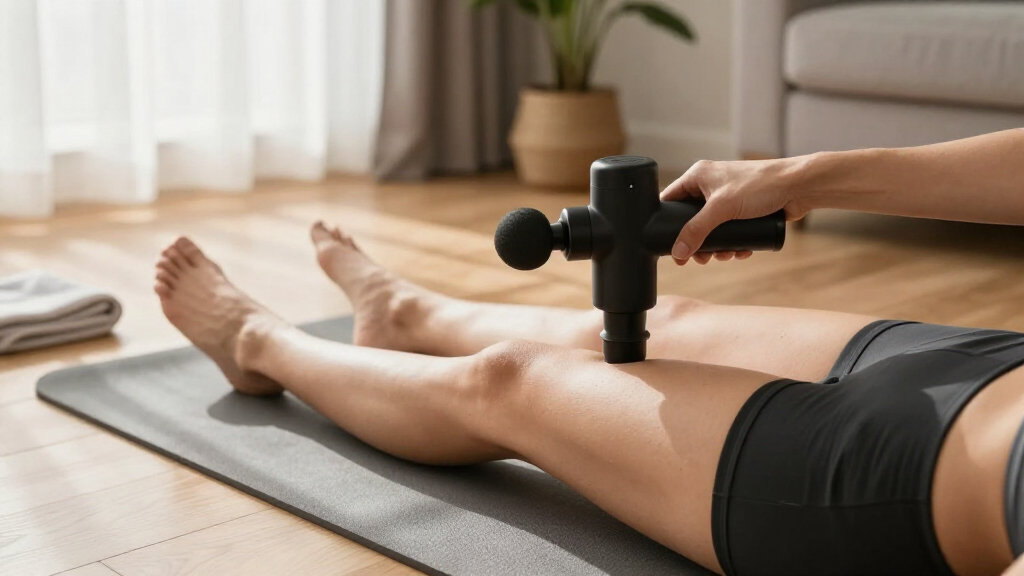
Massage guns are handheld percussive devices that deliver rapid, repeated pressure to soft tissue. They look like power tools but are designed to vibrate and tap muscles, not cut or drill. They typically have multiple speed settings and different attachments, allowing you to target specific areas.
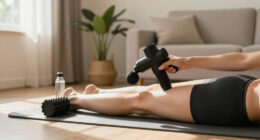
For example, a common scenario: after a long run, you might glide the soft ball attachment over your calves. The device hums at around 20-40 hits per second, loosening tight muscles and making them feel more relaxed.
What’s happening underneath? The rapid taps increase blood flow, temporarily stretch muscle fibers, and may reduce the sensation of tightness. It’s like a gentle, rhythmic massage at a high rate of pressure.
As an affiliate, we earn on qualifying purchases.
Can Massage Guns Actually Speed Up Recovery?
The short answer: not really. While massage guns can make muscles feel looser and reduce soreness temporarily, evidence shows they don’t directly accelerate tissue repair or long-term recovery.
Research from sports medicine indicates that they can improve range of motion right after use, which might help you get back to activity sooner. But when it comes to speeding up healing at a cellular level—like repairing micro-tears or reducing inflammation—there’s little solid proof.
Think of them as a soothing shortcut for discomfort, not a biological miracle worker. For example, if you use a massage gun after a strenuous workout, you might feel less sore the next day. That’s probably due to temporary neural effects, not faster muscle healing.
Understanding this distinction is important because it helps set realistic expectations. Relying solely on massage guns to recover faster can lead to neglecting foundational recovery practices like proper sleep, nutrition, and rest, which are scientifically proven to support tissue repair and overall recovery. Overestimating their benefits might cause people to skip these critical elements, ultimately hindering true progress.
As an affiliate, we earn on qualifying purchases.
How to Use a Massage Gun Without Wrecking Your Muscles
- Start slow. Use the lowest speed and a soft attachment like a foam ball or flat head.
- Glide gently over your muscles, avoiding pressing hard in one spot.
- Limit sessions to 30-60 seconds per muscle group — more isn’t necessarily better.
- Stop if you feel pain, numbness, or discomfort. Listen to your body.
- Avoid bones, joints, neck, spine, or areas with bruises or swelling.
- Follow the manufacturer’s instructions. Higher settings aren’t always more effective.
For example, after lifting weights, a quick 45-second pass over your quads with a medium setting can loosen tight muscles without causing irritation. Remember: less is often more.
Consistent, moderate use is more beneficial than aggressive, prolonged sessions. Overuse or pressing too hard can lead to bruising or muscle irritation, which defeats the purpose of recovery. Paying attention to your body’s responses helps prevent setbacks and ensures the device enhances your routine rather than causes harm. Recognize that the goal is to support tissue health, not to cause additional stress or injury. Incorporating massage guns thoughtfully into your recovery plan can promote better results when combined with adequate sleep, hydration, and rest.
As an affiliate, we earn on qualifying purchases.
Who Should Be Careful When Using Massage Guns?
Using a massage gun isn’t risk-free, especially if you have medical issues. Tenderness, bruising, or irritation can happen if you press too hard or use it on sensitive areas.
People with bleeding disorders, poor sensation, or vascular conditions should consult a healthcare provider first. Avoid using over acute injuries, swelling, or unexplained pain.
For example, if you recently sprained your ankle, a massage gun might worsen inflammation or cause more pain. Always err on the side of caution and stop if symptoms worsen.
During pregnancy or when using near the neck or spine, extra care is wise. When in doubt, check with a clinician to avoid unintended harm.
Understanding these risks is crucial because improper use can lead to setbacks in recovery or even injury. For instance, applying massage guns on inflamed or swollen tissues can exacerbate the condition or delay healing. Vulnerable groups must weigh these risks carefully and seek professional advice to ensure safe, beneficial use. The key is moderation, awareness, and respecting your body’s signals to prevent unintended harm.
As an affiliate, we earn on qualifying purchases.
What’s New in Massage Gun Tech? Do They Really Help More?
The market has exploded with new models—quieter, lighter, smarter. Many now feature app controls, sensors that respond to pressure, and multiple attachments. Some brands boast ‘professional-grade’ power and deep tissue effects.
But don’t be fooled. These features are marketing enhancements, not guarantees of better recovery. For instance, a travel-sized model with a quiet motor and multiple heads might be more convenient, but it isn’t necessarily more effective.
Research on device quality shows that noise level, battery life, and ergonomics matter more to user experience than marketing claims. When shopping, look for independent reviews and real-world testing data.
For example, a popular brand with a high stall force (the force it can deliver without stopping) might be better for deep tissue work, but that depends on your muscle tightness and comfort level.
Technological upgrades can improve user experience—they might make the device easier to handle or quieter—but they don’t inherently increase the effectiveness of muscle recovery. The real benefit comes from how you use the device and whether it suits your specific needs, not just the features it boasts.
Is a Massage Gun Just a Fancy Version of a Massage or Foam Rolling?
A massage gun isn’t a replacement for a professional massage or foam rolling, but it shares some similarities. Both aim to loosen muscles and improve mobility.
Foam rolling uses your body weight and a textured roller to manually target sore spots. It’s effective, but can be uncomfortable or tiring. A massage gun automates the tapping, making it more accessible and less effortful.
For example, if you have tight hamstrings, foam rolling can be a bit slow and require effort. A massage gun can deliver quick, consistent taps that mimic manual pressure but with less fatigue.
However, neither replaces a skilled massage therapist who can address deep tissue or complex issues. Think of the gun as a handy supplement rather than a complete substitute.
Understanding these differences helps you choose the right tool for your needs. While massage guns can effectively target specific muscles with less effort, they lack the nuanced touch and expertise of a professional therapist. Combining both approaches—self-care with a gun and occasional professional massages—can provide a more comprehensive recovery strategy.
The Best Way to Integrate a Massage Gun Into Your Recovery Routine
Using a massage gun as part of your recovery toolbox can boost your results. The key is timing and moderation.
Try these steps:
- Use it post-workout to relax muscles and reduce stiffness.
- Incorporate short sessions—about 1-2 minutes per muscle group.
- Combine with stretching, hydration, and sleep for full recovery.
- Don’t overuse. Daily use is fine if it feels good, but avoid overdoing it, especially on sensitive areas.
A practical example: after a marathon, spend 10 minutes using the gun on your calves, hamstrings, and quads, then follow with gentle stretching. This combination not only alleviates soreness but also helps maintain flexibility, which is crucial for preventing future injuries. When integrated thoughtfully, massage guns can support your recovery without replacing essential practices like proper rest and nutrition, which have been scientifically proven to promote tissue repair and overall health.
Remember, a massage gun is just one piece. Rest and nutrition play larger roles in true recovery.
Frequently Asked Questions
Do massage guns really speed up muscle recovery?
Current evidence suggests that massage guns mainly provide short-term relief by loosening muscles and reducing soreness. They do not significantly influence the biological processes involved in tissue repair or speed up long-term recovery.Can I use a massage gun before a workout?
Yes, using a massage gun lightly before exercise can temporarily increase flexibility and blood flow. Just avoid aggressive pressure or prolonged use right before activity to prevent overstimulation or fatigue.How long should I use a massage gun on each muscle?
Typically, 30 to 60 seconds per muscle group is enough. Longer sessions don’t necessarily lead to better results and may cause irritation or soreness.Is it safe to use on sore muscles or knots?
For most people, gentle use can help ease tight spots. However, if muscles are very tender or inflamed, or if knots persist, consulting a professional is wise to avoid aggravating issues.Can massage guns help with mobility or limited movement?
Yes, especially if tight muscles restrict movement. A carefully used massage gun can improve flexibility temporarily, making stretching and movement easier, but it’s not a substitute for targeted therapy if needed.Conclusion
Your muscles might thank you for a quick tap from a massage gun, especially after intense sessions. But don’t view it as a shortcut to full recovery. Think of it as a helpful assistant, not a cure-all.
Focus on consistent rest, good nutrition, and listening to your body. When used wisely, a massage gun can be a satisfying part of your recovery routine—helping you move more freely and feel better, one tap at a time.
Fall Picks
fall essentials
As an affiliate, we earn on qualifying purchases.