Menopausal Hormone Therapy May Boost GLP-1 Weight Loss

A retrospective study found greater weight loss among women using hormone therapy with semaglutide, but later differences were not significant with tirzepatide.

She Voted For Trump Every Time. Then Came Cancer And The Bills.

After years of voting for Trump, Cindy Banda cast an early ballot for Democrat James Talarico as cancer costs strained her family finances.

Obesity Medications Are Transforming Care. Healthy Habits Must Be Part Of The Treatment Plan

An Athletech News report argues obesity medication care should pair weight loss treatment with exercise, nutrition and broader health measures.

Just Two Drinks A Day May Be Far Riskier Than You Think

A U.S.-focused analysis estimates lifetime alcohol-related death risks and finds no significant overall health protection from drinking.

Healthy Raisins: Raisin’ The Bar

A nutrition report reviews raisins’ fiber and nutrients, research on gut bacteria and diet quality, and practical tips for buying and storing them.

Essentials: Developing A Rational Approach To Supplementation For Health & Performance

A Huberman Lab Essentials episode reviews supplement decisions for sleep, focus and performance, emphasizing individual needs and testing products separately.

A Sports Dietitian Shares Her ALDI Grocery List For Making Healthy Meals

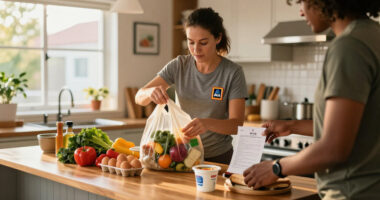
Registered sports dietitian Roxana Ehsani recommends five ALDI staples for building convenient meals with protein, fiber and other nutrients.

Adult ADHD; Encouraging Advance Care Planning; Hospital Closures In The U.S.

A Texas Tech health podcast reviews adult ADHD, hospital closure patterns and an advance care planning study involving older adults with serious illness.

Should You Be Wary Of Sulfites?

Sulfites preserve foods and drinks and are safe for most people, but they can trigger breathing symptoms in some people, particularly those with asthma.

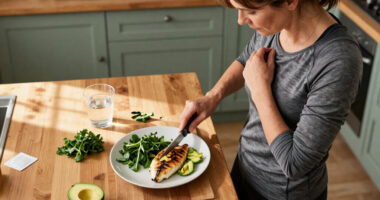
Study: Food Prescription Programs For Food-insecure Older Adults Work Best When Fresh Food Is Delivered To Their Door

A 67-person Buffalo study found nearly 90% of delivered produce was used, compared with 28.3% when participants collected it at markets.