TL;DR

Get health and wellness essentials delivered free with Prime
- Fast, free delivery on millions of items
- Prime Video, Amazon Music and more included
- Member-only deals all year
An herb farmer and cosmetic formulator describes five plants—calendula, green tea, fennel, hops and lavender—that she considers useful in skincare. Research cited in her report suggests possible skin benefits, but the supplied material does not identify individual studies or establish that homegrown herbs or finished products produce those effects.
Sixty and Me has published an account by an herb farmer and cosmetic formulator describing five plants—calendula, green tea, fennel, hops and lavender—and the research she says informs their use in skincare. The piece also argues that growing some ingredients close to where they are processed can shorten supply chains, while not establishing that the plants or products deliver specific results for consumers.
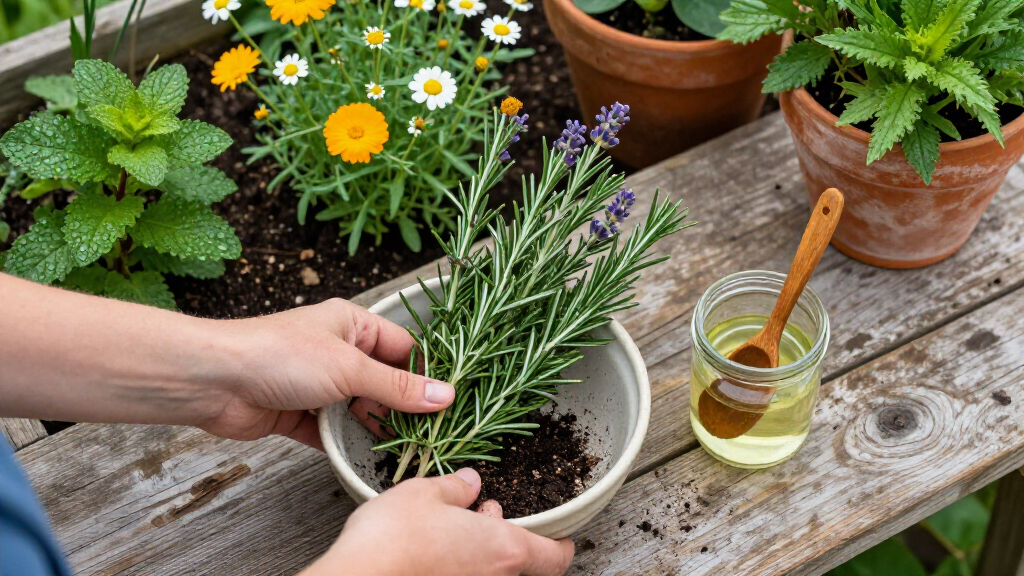
The report’s author says calendula and lavender grow on her Colorado farm. She describes calendula flowers as containing carotenoids and flavonoids, and says research on calendula extracts has reported activity related to wound healing, skin repair, hydration and elasticity. Laboratory work cited in the article also suggests possible antioxidant and anti-inflammatory effects. The source does not name the studies, their methods or the formulations tested.
Green tea is the exception among the five: the author says she does not grow it because tea plants need warmer conditions than those on her Colorado farm. The report describes green tea catechins, including EGCG, as extensively studied and says topical preparations have been associated in research with changes in hydration, redness, oxidative stress and collagen-related measures. It does not claim that drinking green tea produces the same effects.
The article also discusses fennel and hops. It says studies of fennel preparations have reported changes in skin hydration, water loss, texture and pigmentation. Hops contains polyphenols and flavonoids, according to the piece, and research on topical preparations has reported changes in hydration, redness, pigmentation and the appearance of wrinkles. For lavender, the author points to its aroma and possible soothing effects, and says she distills some farm-grown lavender into hydrosol. These descriptions are not evidence that every preparation works equally well or is suitable for every person.
Local Growing Meets Skincare Research
The report connects two consumer interests: plant-based skincare and the sourcing of ingredients. The author says growing and processing some botanicals on the farm can reduce the need to purchase small quantities of ingredients that have been packaged, stored and transported. That is a rationale for shortening a supply chain, not a measured environmental assessment: the article provides no figures on emissions, water use, land impacts or costs.
For readers choosing skincare, the distinction between an ingredient’s reported properties and a finished product’s performance matters. The article describes research on particular plant extracts or preparations, but a product’s formula, concentration and production method can affect what it contains. Its account offers a starting point for questions about sourcing and evidence rather than a guarantee of cosmetic or medical results.
As an affiliate, we earn on qualifying purchases.
Five Plants, Different Uses
The source is a first-person report by a contributor who identifies herself as both an herb farmer and cosmetic formulator. It combines her experience growing and processing botanicals with summaries of research. The supplied material does not include a study list, publication dates, sample sizes or links to the underlying research beyond the article itself, so readers cannot assess those studies from the source text alone.
The plants are not all presented as farm-grown ingredients. The author specifically says she grows calendula and lavender in Colorado, while green tea does not suit the farm’s climate. Her broader definition of “farm to skin” includes growing useful plants, understanding their chemistry, reviewing evidence and deciding whether they belong in a formulation—not simply labeling a product plant-based.
“That’s really what “farm to skin” means to me.”
— The report’s author, an herb farmer and cosmetic formulator
lavender hydrosol for soothing skin
As an affiliate, we earn on qualifying purchases.
As an affiliate, we earn on qualifying purchases.
Evidence and Product Results
The supplied report does not identify the individual studies behind its summaries, making it unclear which preparations, concentrations or groups of participants were involved. It also does not establish whether the reported findings apply to products sold commercially, home-prepared extracts or all skin types. Research findings described in the article should not be read as proof that these herbs treat a skin condition or prevent damage.
The sustainability case is also not quantified. The author says local growing can reduce upstream packaging and transport, but provides no lifecycle comparison with purchased ingredients. The article does not discuss possible irritation or allergies from specific preparations. Readers considering a product for a skin concern should seek guidance from a qualified health professional rather than treat the report as medical advice.
As an affiliate, we earn on qualifying purchases.
Questions for Ingredient Buyers
The report does not announce a new product, study or change in farm operations, and it gives no timetable for a follow-up. The practical next step for readers is to check product labels and ask makers about ingredient sourcing, the form of botanical used and the evidence supporting the claims made for the finished formula.
For a fuller assessment of the research, readers would need the studies named and linked, along with details on the extracts tested and the outcomes measured. Without that information, the article remains a grower-formulator’s account of five herbs and the research themes she finds relevant.
As an affiliate, we earn on qualifying purchases.
Key Questions
Which five herbs does the report discuss?
It discusses calendula, green tea, fennel, hops and lavender, describing research or uses associated with each plant.
Does the author grow all five herbs?
No. She says she grows calendula and lavender on her Colorado farm, but does not grow green tea because the plant needs warmer conditions. The supplied report does not say that all five are farm-grown.
Does the report prove these herbs improve skin?
No. It summarizes research findings as described by the author but does not name the individual studies or provide enough detail to assess them. Findings about particular extracts do not establish that every product containing an herb will have the same effect.
What does “farm to skin” mean in the article?
The author uses the phrase for growing and processing botanical ingredients near where they are used, while considering plant chemistry and available evidence before including them in skincare.
Source: rss
Fall Picks
fall essentials
As an affiliate, we earn on qualifying purchases.