

TL;DR

Get health and wellness essentials delivered free — and shop member deals
- Fast, free delivery on millions of items
- Access to Prime Big Deal Days deals on October 6–7
- Prime Video, Amazon Music and more included
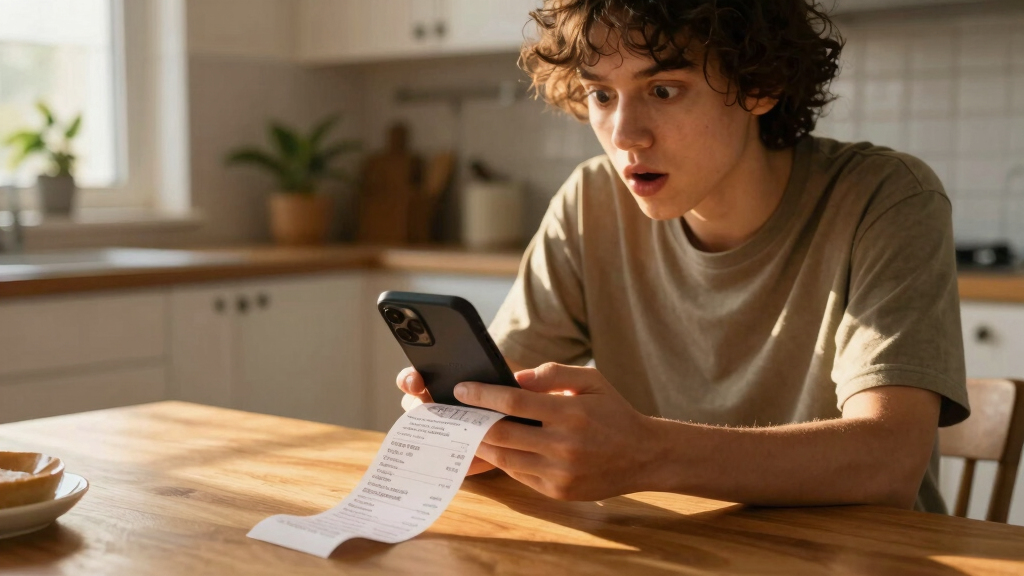
Scammers are inserting fake purchase receipts into the Shop app to trick users into calling support lines or sharing personal info. Confirmed by cybersecurity researchers, this scam targets users of the popular app. Awareness and caution are essential to avoid falling victim.
Cybercriminals are inserting fake purchase receipts into the Shop app’s order history, aiming to deceive users into revealing personal details or installing malware. This scam affects users of the widely used shopping app and poses a significant security risk, especially since the fake invoices appear legitimate and are integrated into trusted app notifications.
According to cybersecurity researchers, fake invoices have been appearing in Shop app order histories, mimicking real transactions from companies like Apple, Norton, and PayPal. These fraudulent receipts often claim that a large charge has been processed, an order is ready, or a subscription has been renewed, and include contact details for dispute resolution.
When users attempt to verify or dispute these charges, they are directed to call scammers posing as support agents. The goal is to extract sensitive information such as login credentials, credit card numbers, or authentication codes, or to trick victims into downloading malware that grants remote access to their devices.
Researchers at Gen Digital have noted red flags like poor grammar and spelling in these fake notifications, but the widespread trust in Shop as a secure platform makes users more likely to engage with these alerts without suspicion. The scam exploits the app’s integration with email and order tracking features, which scan messages for keywords like ‘tracking number’ to populate order histories.
Shop has acknowledged the issue and stated that it is implementing ‘new controls’ to mitigate the problem, but details about how these fake entries are being inserted remain unclear. It is not confirmed whether any breach of Shop, Shopify, or the impersonated companies has occurred.
Why This Fake Receipt Scam Poses a Serious Risk
This scam highlights the increasing sophistication of phishing tactics targeting mobile shopping platforms. Since many users trust notifications within the Shop app, scammers are leveraging this trust to steal personal information or gain remote access, potentially leading to financial loss or identity theft.
Understanding this threat is crucial for users to avoid falling prey to scams that appear as legitimate transactions, especially since the fake receipts are designed to look convincing and are integrated into trusted app features. The scam also underscores the importance of verifying purchases through official bank or vendor channels rather than responding to suspicious notifications.
As an affiliate, we earn on qualifying purchases.
Background on Fake Purchase Notifications and Phishing Tactics
Fake purchase notifications and phishing scams have been a persistent threat across digital platforms, often exploiting trusted communication channels like email or in-app alerts. Recently, scammers have shifted tactics to include inserting fake orders directly into shopping apps, making the deception more seamless and harder for users to detect.
While Shop is a popular platform for online shopping, it relies on integrations with email and messaging services to track orders, which scammers are now exploiting. The scam emerged publicly in late June 2026, with affected users reporting fake invoices for large sums that prompt them to call fake support lines. Shop has not reported any confirmed data breaches but is working to implement controls to address the issue.
“The fake receipts contain some obvious red flags like poor grammar, but their integration into the app makes them particularly convincing and dangerous.”
— an anonymous cybersecurity researcher
identity theft protection software
As an affiliate, we earn on qualifying purchases.
As an affiliate, we earn on qualifying purchases.
Unclear Details About How Fake Orders Are Inserted
It is not yet clear how scammers are managing to insert fake orders into the Shop app’s order history. There is no evidence of a breach at Shop, Shopify, or the impersonated companies, and the exact method of manipulation remains unknown. Further investigation is needed to determine whether this is a vulnerability in the app, email scanning, or another exploit.
As an affiliate, we earn on qualifying purchases.
Expected Steps and User Precautions Moving Forward
Shop has announced plans to introduce new controls to prevent fake entries. Users are advised to verify any suspicious receipts by checking bank statements or directly contacting vendors through official channels. If users have interacted with the scam, such as calling support or sharing information, they should change passwords and monitor accounts for suspicious activity.
Cybersecurity experts recommend remaining cautious of unsolicited notifications and avoiding clicking links or calling numbers associated with suspicious receipts. Ongoing investigations may reveal more about the scam’s mechanics and help develop more effective safeguards.
As an affiliate, we earn on qualifying purchases.
Key Questions
How can I tell if a Shop app receipt is fake?
Look for red flags like poor grammar, unusual charges, or unfamiliar contact details. Verify the purchase through your bank or the official website of the vendor rather than responding to in-app notifications.
What should I do if I receive a suspicious receipt in the Shop app?
Do not call any numbers or click links. Report the receipt to Shop and the vendor, and check your bank or credit card statements for unauthorized charges. Change your passwords if you have interacted with the scam.
Has Shop been hacked or breached?
There is no confirmed evidence of a breach at Shop or Shopify. The fake entries appear to be inserted without a known breach, and Shop has stated they are implementing controls to address the issue.
Can I trust notifications from the Shop app?
While Shop is generally trusted, users should remain cautious of any unexpected or suspicious notifications, especially those requesting personal information or prompting calls to support lines.
Will the scam continue or get worse?
The situation is still developing. Experts recommend staying vigilant and following security best practices until more is known about the scam’s mechanics and the effectiveness of Shop’s mitigation efforts.
Source: Lifehacker
Halloween Picks
halloween
As an affiliate, we earn on qualifying purchases.