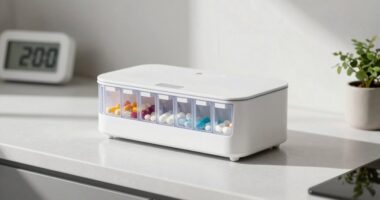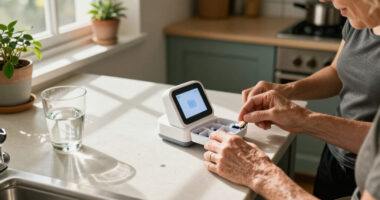
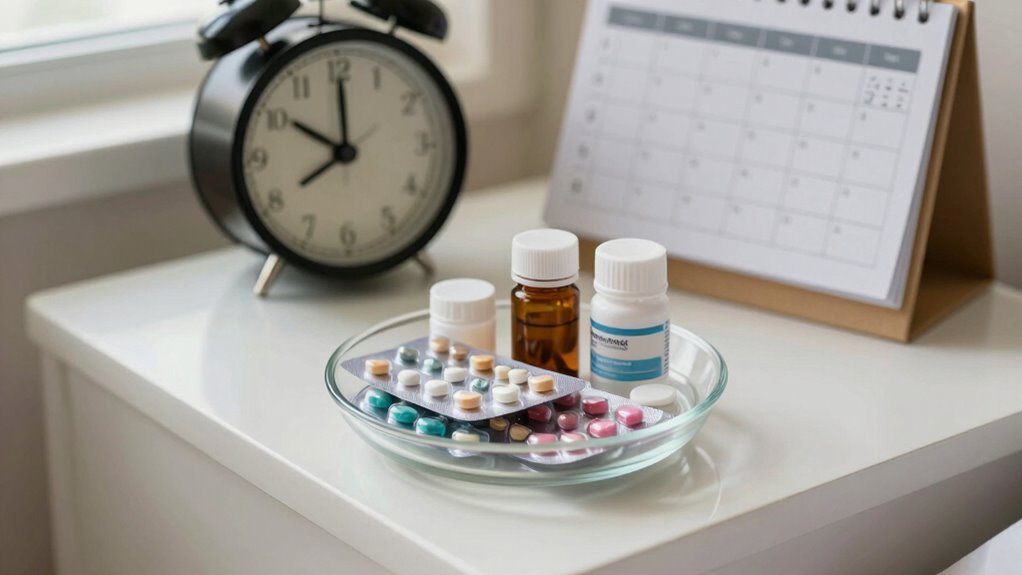

Finding the right medication reminder device can significantly improve medication adherence for seniors, caregivers, and anyone managing daily pills. The best overall pick, the TabTime Pill Reminder & Timer, offers reliable multiple alarms and simple operation. For those needing a talking alarm, the Digital Talking Medication Alarm Clock for Seniors stands out with its clear voice alerts. The main tradeoffs in this category involve balancing ease of use, features like alarms and compartments, and whether the device integrates with digital apps or relies solely on manual operation. Keep reading for a detailed comparison of the top options and what to consider before buying.

Get health and wellness essentials delivered free with Prime
- Fast, free delivery on millions of items
- Prime Video, Amazon Music and more included
- Member-only deals all year
Key Takeaways
- Multiple alarm options are essential for complex medication schedules, and the top picks excel in this area.
- Voice and audio alerts significantly benefit seniors or visually impaired users, making talking clocks a popular feature.
- Compartment size and design matter—larger, moisture-proof, and travel-friendly options are better for portability.
- Devices with no app or digital connectivity offer simplicity but may lack remote management features.
- Choosing between manual and electronic devices depends on user tech comfort and specific medication routines.
| TabTime Pill Reminder & Timer – 8 Daily Medication Alarms, Pill Alarm Clock |  | Best Overall for Simplicity and Portability | Alarms: 8 daily alarms | Display: LCD | Power: Battery operated | VIEW ON AMAZON | See Our Full Breakdown |
| Digital Talking Medication Alarm Clock for Seniors |  | Best for Hearing-Impaired and Visually Impaired Users | Display Type: Digital | Additional Features: Snooze | Batteries: 2 AA (included) | VIEW ON AMAZON | See Our Full Breakdown |
| Med-Q Electronic Pill Dispenser with Alarm for Dementia and Elderly |  | Best for Memory Loss and Accessibility | Alarm Volume: Loud with gradual increase | Number of Compartments: 14 | Layout: 7-day, AM/PM | VIEW ON AMAZON | See Our Full Breakdown |
| Medication Tracker & Pill Reminder – Visual 7-Day AM/PM Reminder for Elderly |  | Best for Visual-Only, No-Electronic Needs | Type: Medication Tracker & Pill Reminder | Duration: 7 days | Features: Visual reminder, customizable stickers | VIEW ON AMAZON | See Our Full Breakdown |
| 7 Day Medicine Pill Organizer with Reminder Alarms, Large Compartments, Moisture-Proof, Travel-Friendly |  | Best for Travel and Large Weekly Storage | Number of Compartments: 14 | Alarm Settings: Up to 4 times a day | Compartment Size: 1.06″ x 1.06″ x 0.79″ | VIEW ON AMAZON | See Our Full Breakdown |
| Daviky Automatic Pill Dispenser, Smart Pill Organizer with Alarm |  | Best Overall for Portability and Simplicity | Battery Life: Up to 1 month on a single charge | Power Source: Rechargeable lithium battery | Portability: Compact and portable design | VIEW ON AMAZON | See Our Full Breakdown |
| ORKA Talking Clock with Customizable Alarms for Seniors and Dementia Patients |  | Best for Visual and Hearing Impairments | Display Size: 11.17 inches | Display Type: Digital | Digits Height: 1.93 inches | VIEW ON AMAZON | See Our Full Breakdown |
| 28-Day Automatic Pill Dispenser with Alarm and Desiccant, No App |  | Best for Long-Term, Manual Management | Number of Compartments: 28 | Compartment Size: Ca tablets 0.79″, vitamins 0.31″, capsules 0.75″ | Moisture Protection: Water-resistant lid, dual desiccant chambers | VIEW ON AMAZON | See Our Full Breakdown |
More Details on Our Top Picks
TabTime Pill Reminder & Timer – 8 Daily Medication Alarms, Pill Alarm Clock
The TabTime Pill Reminder & Timer stands out for its straightforward design, offering up to 8 alarms in a compact, battery-operated package. Compared with the Med-Q dispenser, it provides more alarms but lacks advanced features like visual indicators or large compartments. Its simple LCD and easy setup make it accessible for seniors, but reliance on batteries means ongoing maintenance. It’s ideal for users who prioritize basic reminders over tech complexity, though those needing integrated alarms or larger displays may find it limited. The moderate customer ratings suggest it may not satisfy everyone, but its portability and ease of use are key strengths.
Pros:- Multiple alarms ensure timely medication reminders
- Compact and portable design for easy carrying
- Simple setup with clear instructions
Cons:- Requires battery replacement for continuous operation
- Limited features compared to digital apps
Best for: Seniors or individuals seeking a lightweight, portable reminder device with straightforward functionality.
Not ideal for: Users who need detailed medication management features or integrated compartments, as this device offers only alarms and basic display.
- Alarms:8 daily alarms
- Display:LCD
- Power:Battery operated
- Included components:Acoustic alarm, LCD display, countdown timer, attachments
Our verdict“This device is perfect for users who want a simple, portable alarm system without bells and whistles.”
Digital Talking Medication Alarm Clock for Seniors
This Talking Medication Alarm Clock excels at supporting seniors with sensory impairments, featuring personalized voice reminders and a large, easy-to-read display. Unlike the simpler TabTime, it offers speech output, making it ideal for those with visual deficits, though it does not include multiple alarms for complex schedules. Its loud, customizable alarms are suited for users who need audible cues over visual alerts. However, its reliance on two AA batteries and basic digital interface may disappoint tech-savvy users expecting more advanced features. It’s a solid choice for those prioritizing clear audio prompts over digital complexity.
Pros:- Supports personalized voice reminders
- Large, easy-to-read display suitable for visually impaired users
- Loud alarms designed for hearing-impaired individuals
- Supports multiple alarms
Cons:- Requires 2 AA batteries which are included
- Limited to indoor use only
- Basic digital display without advanced features
Best for: Seniors or visually/hearing-impaired individuals needing clear, personalized voice reminders for medication management.
Not ideal for: Users who prefer electronic visual alerts or require multi-alarm systems beyond basic reminders, as this device focuses on audio cues.
- Display Type:Digital
- Additional Features:Snooze
- Batteries:2 AA (included)
- Operation Mode:Electrical
- Size:5.25″ x 2.25″ x 3.75″
Our verdict“This clock is best suited for users who rely on auditory cues and need a simple, accessible medication reminder.”
Med-Q Electronic Pill Dispenser with Alarm for Dementia and Elderly
The Med-Q Electronic Pill Dispenser emphasizes accessibility with its loud alarm that gradually increases volume, flashing lights, and braille markings on large compartments. Compared with the simpler TabTime, it offers enhanced features for memory-impaired users, making adherence more reliable. Its 14 removable compartments support a week’s worth of medication, but its size and need for batteries mean it’s less suitable for travel. The water resistance adds durability, yet it’s not waterproof, limiting outdoor use. This pick makes the most sense for users with memory challenges who need visual and auditory cues in a sturdy device, even if portability is compromised.
Pros:- Loud alarm with gradual increase ensures medication adherence
- Large compartments with braille markings improve accessibility
- Removable compartments allow flexible medication management
- Long battery life of approximately 14 months
Cons:- Requires 2 AA batteries, which need replacement after about a year
- Size may hinder portability for travel
- Not fully waterproof
Best for: Seniors with memory issues or dementia who require visual, auditory, and tactile medication cues.
Not ideal for: Travelers or active users who need a lightweight, compact dispenser, as its size and battery dependency limit portability.
- Alarm Volume:Loud with gradual increase
- Number of Compartments:14
- Layout:7-day, AM/PM
- Batteries:2 AA, approx. 14 months lifespan
Our verdict“This device is ideal for memory-impaired users needing multi-sensory cues to manage medication routines effectively.”
Medication Tracker & Pill Reminder – Visual 7-Day AM/PM Reminder for Elderly
The Medication Tracker & Pill Reminder takes a different approach by relying solely on visual cues, making it ideal for those wary of electronic devices or with minimal tech familiarity. Its straightforward design uses customizable stickers and simple placement options, which is a stark contrast to digital or alarm-based devices like the Med-Q or Talking Clock. While it’s easy to set up and maintain, it lacks audible alerts or alarms, which could be a drawback for users needing more active reminders. This makes it suitable for caregivers or users comfortable with manual tracking rather than those who prefer automated alerts.
Pros:- Simple and easy to use, no batteries required
- Versatile placement options: countertop, wall, fridge
- Visual system helps prevent missed or double doses
- Suitable for various medications beyond pills
Cons:- No electronic alerts or alarms
- May require manual updating for tracking
- Limited to visual reminders
Best for: Caregivers and seniors comfortable with manual tracking who want a simple, battery-free visual reminder system.
Not ideal for: Individuals requiring audible alerts or automated reminders, as this system relies solely on visual cues and manual updates.
- Type:Medication Tracker & Pill Reminder
- Duration:7 days
- Features:Visual reminder, customizable stickers
- Battery:None
Our verdict“This visual-only system is best for users who prefer manual management and do not need automated reminders.”
7 Day Medicine Pill Organizer with Reminder Alarms, Large Compartments, Moisture-Proof, Travel-Friendly
This 7 Day Pill Organizer with Reminder Alarms combines large compartments for weekly storage with multiple reminder alarms, making it suitable for active users needing flexibility. Compared to the Med-Q, it offers more customizable alarms, while its moisture-proof design adds durability for travel. The detachable compartments enhance portability, but the lid locks may be less secure for vigorous travel, and the alarm volume could be too loud for some. It’s a good choice for those who prioritize large capacity and travel readiness but might not be ideal for users seeking a compact, all-in-one device with built-in audio cues.
Pros:- Large compartments suitable for weekly medication
- Multiple customizable reminder alarms
- Moisture-proof and dust-proof design
- Detachable compartments for travel convenience
Cons:- Lid locks may be less secure for very active travel
- Alarm sound might be too loud for some users
Best for: Travelers or busy individuals needing large weekly storage with flexible reminder options.
Not ideal for: Users who prefer compact, integrated devices or require secure lid locks for highly active travel, as the lids may loosen.
- Number of Compartments:14
- Alarm Settings:Up to 4 times a day
- Compartment Size:1.06″ x 1.06″ x 0.79″
- Overall Size:11.8″ x 2.87″ x 0.98″
- Material:Food-grade, moisture-proof plastic
Our verdict“This pill organizer is ideal for active users needing large capacity and flexible reminders for weekly medication management while traveling.”
Daviky Automatic Pill Dispenser, Smart Pill Organizer with Alarm
This dispenser stands out for its combination of smart reminders and portability, making it an excellent choice for those who prioritize travel and on-the-go medication management. Compared to the 28-Day Automatic Pill Dispenser, Daviky’s rechargeable battery offers a longer-lasting power source, removing the hassle of frequent battery replacements. Its straightforward interface is ideal for seniors who need easy access, but it lacks app connectivity or customization options, which might be a drawback for tech-savvy users seeking more control. While its capacity might be limited for multiple daily doses, its compact design makes it convenient for daily use and travel. The main tradeoff is the absence of digital connectivity, which could limit advanced scheduling or tracking features.
Pros:- Smart reminders help ensure medication adherence
- Rechargeable battery lasts up to a month, reducing charging frequency
- Compact, lightweight design for travel and daily use
- Accessible for seniors with simple operation
Cons:- No app connectivity or customization options
- Limited capacity for multiple pills at once
- Requires monthly charging
Best for: Seniors and busy individuals who need a portable, easy-to-use medication reminder without complex features.
Not ideal for: Users who want detailed digital tracking or app integration for comprehensive management.
- Battery Life:Up to 1 month on a single charge
- Power Source:Rechargeable lithium battery
- Portability:Compact and portable design
- Suitable For:Seniors, busy lifestyles, travel
Our verdict“This device is perfect for seniors or travelers seeking a straightforward, portable medication reminder without digital bells and whistles.”
ORKA Talking Clock with Customizable Alarms for Seniors and Dementia Patients
This talking clock excels in aiding users with visual or hearing challenges, thanks to its large, high-contrast display and customizable voice reminders. Compared with the Daviky dispenser, the ORKA Talking Clock is ideal for those who need auditory cues and large visuals to manage medications and routines effectively. Its ability to record personalized voice messages makes it adaptable for dementia patients or seniors with memory issues, but it requires an electrical outlet, unlike battery-powered options. The setup process might be complex for some, and its indoor-only design limits portability. However, the adjustable volume and multiple language features significantly enhance accessibility for diverse users.
Pros:- Large, easy-to-read display with high contrast digits
- Customizable voice recordings for reminders
- Multiple language options and adjustable volume
- Ideal for users with visual or hearing impairments
Cons:- Requires an electrical outlet—no battery backup for main power
- Setup may be complex for some users
- Limited to indoor use
Best for: Seniors, visually impaired, or dementia patients who benefit from large displays and audio cues.
Not ideal for: Those seeking a portable or battery-powered reminder device for travel or outdoor use.
- Display Size:11.17 inches
- Display Type:Digital
- Digits Height:1.93 inches
- Power Source:AC powered with battery backup
- Languages:English-USA, UK, Spanish, German, French, Italian
- Alarm Features:Up to 8 alarms, voice recording, loop system
Our verdict“This clock is well-suited for users needing visual and auditory support in a stationary setting, especially seniors with impairments.”
28-Day Automatic Pill Dispenser with Alarm and Desiccant, No App
This dispenser offers a straightforward, manual approach to medication management, making it suitable for users who prefer simple, reliable devices without digital complexity. Its 28 compartments and moisture-proof design address the needs of those who take medications over extended periods, with dual desiccant chambers maintaining pill freshness, especially in humid environments. The slide-door tray and customizable alerts reduce missed doses and contamination risk. Compared to the Daviky, this model focuses on manual operation, which may appeal to users wary of digital tech but limits features like app connectivity or detailed tracking. The device’s simplicity makes it ideal for home use but less suited for assisted living or users requiring assistance with medication.
Pros:- Easy one-press dispensing for seniors
- Hygienic slide-door tray reduces mess
- Customizable sound/light alerts to prevent missed doses
- Moisture-proof with dual desiccant chambers
Cons:- No app connectivity or digital tracking
- Limited to manual operation, less flexible for complex schedules
- Gummy capsules may stick, requiring caution
Best for: Seniors or caregivers who prefer manual, long-term medication management with moisture protection.
Not ideal for: Those seeking digital tracking, app integration, or users with complex dosing schedules requiring customization.
- Number of Compartments:28
- Compartment Size:Ca tablets 0.79″, vitamins 0.31″, capsules 0.75″
- Moisture Protection:Water-resistant lid, dual desiccant chambers
- Alert Types:Sound, light, or sound + light
- Power:Manual, no app required
Our verdict“This dispenser is a reliable, simple choice for long-term medication management in a home setting, especially where moisture control is needed.”

How We Picked
We evaluated medication reminder devices based on reliability, ease of use, customization options, build quality, and value. Devices with multiple alarms, clear alerts, and simple interfaces ranked higher, as these features directly impact adherence and safety. We also considered portability, compatibility with user needs (such as seniors or dementia patients), and whether the device offers audible, visual, or tactile alerts. Devices were ranked to balance functionality with affordability, ensuring options are accessible for various budgets and levels of tech familiarity.Factors to Consider When Choosing Medication Reminder Device
Selecting the right medication reminder device involves understanding key features that impact daily use. Consider how many alarms your routine requires, whether you need audible or visual alerts, and if portability or digital integration matters. It’s also important to avoid common pitfalls, such as choosing devices that are too complicated or not loud enough for user needs. Understanding these factors can help you match a device that truly supports consistent medication adherence.Number of Alarms and Customization
Devices vary from single alarm setups to those offering multiple customizable alarms throughout the day. If your medication schedule is complex or involves multiple doses, selecting a device with several alarms ensures no dose is missed. Conversely, if you only need a reminder for once-daily medication, a simpler device can reduce unnecessary complexity. Be mindful of how easy it is to set and modify alarms to keep routines flexible and manageable.
Alert Types: Audible, Visual, and Tactile
Understanding alert types is crucial—audible alarms work well for those who are not visually impaired, but they may be disruptive in quiet environments. Visual alerts, such as flashing lights, are helpful for hearing-impaired users or environments where sound isn’t suitable. Tactile feedback, like vibration, offers discreet reminders for users who prefer subtle alerts. Matching alert types to user needs enhances compliance and minimizes missed doses.
Portability and Design
For users who travel or need reminders away from home, compact, moisture-proof, and travel-friendly devices are vital. Larger devices with big buttons are better for stationary use, especially among seniors with limited dexterity. Consider whether a device’s size and durability align with daily routines, as cumbersome or fragile models can hinder consistent use.
Ease of Use and Setup
Devices should be straightforward to set up and operate, particularly for less tech-savvy users. Devices with intuitive interfaces, minimal buttons, and clear instructions reduce frustration and increase adherence. Avoid overly complicated models with excessive features that may confuse users, especially seniors or those with cognitive impairments.
Digital Integration and Connectivity
Some devices connect to smartphones or apps for remote management, which can be advantageous for caregivers or busy individuals. However, digital features often come with a learning curve and require compatible devices. Simpler, standalone devices may lack remote control but are more reliable and easier to operate for users who prefer minimal tech dependency.
Frequently Asked Questions
Can I use a medication reminder device without a smartphone?
Absolutely. Many medication reminder devices operate independently without needing a smartphone or app. Standalone models with built-in alarms and visual indicators are designed for users who prefer simple, device-based reminders. These devices tend to be more reliable in settings where digital connectivity is unnecessary or undesirable, offering straightforward operation and peace of mind.
Are talking medication reminder clocks suitable for hearing-impaired users?
Talking clocks are primarily designed for users with hearing impairments or those who prefer auditory cues. However, they may not be effective for individuals with severe hearing loss. For such cases, combining a talking clock with visual alerts—like flashing lights—can improve effectiveness. Always assess the specific needs of the user to select a device that provides the most accessible reminders.
How do I choose between a 7-day pill organizer and an automatic dispenser?
Manual pill organizers are best for users who prefer control and simplicity, and they often come at a lower cost. Automatic dispensers, on the other hand, reduce the risk of missed doses by releasing pills at scheduled times, which is especially helpful for those with memory issues or complex routines. Consider the user’s cognitive abilities, routine flexibility, and whether they need reminders or automatic dispensing when choosing between these options.
Do digital devices with app connectivity offer real benefits?
Devices with app connectivity can provide remote management, reminders for caregivers, and detailed adherence tracking. These features are useful for managing multiple users or ensuring compliance when users forget to check their device. However, they require familiarity with smartphones and apps, which can be a barrier for some users. Weigh the benefits against the potential complexity and whether the user feels comfortable with digital technology.
What should I look for if I need a device for a dementia patient?
For dementia patients, simplicity and reliability are key. Choose devices with large, clearly labeled buttons, loud and distinct alarms, and minimal setup complexity. Devices with automatic features, such as dispensing and clear, visual cues, can reduce confusion and assist caregivers in maintaining medication routines. Avoid gadgets with complicated interfaces or excessive options that might overwhelm the user.
Conclusion
For general use, the TabTime Pill Reminder & Timer offers a balanced mix of features and simplicity, making it the best overall choice. Caregivers or tech-savvy users may prefer devices with digital connectivity, like the Daviky Automatic Pill Dispenser, for remote management and tracking. Seniors or those with hearing impairments will benefit from the ORCA Talking Clock or similar audio-visual devices, which combine ease of use with accessibility. Budget-conscious buyers should consider manual or basic electronic models that provide reliable reminders without extra bells and whistles. Ultimately, selecting the right device depends on specific needs, routines, and user capabilities.