

TL;DR

Get health and wellness essentials delivered free with Prime
- Fast, free delivery on millions of items
- Prime Video, Amazon Music and more included
- Member-only deals all year
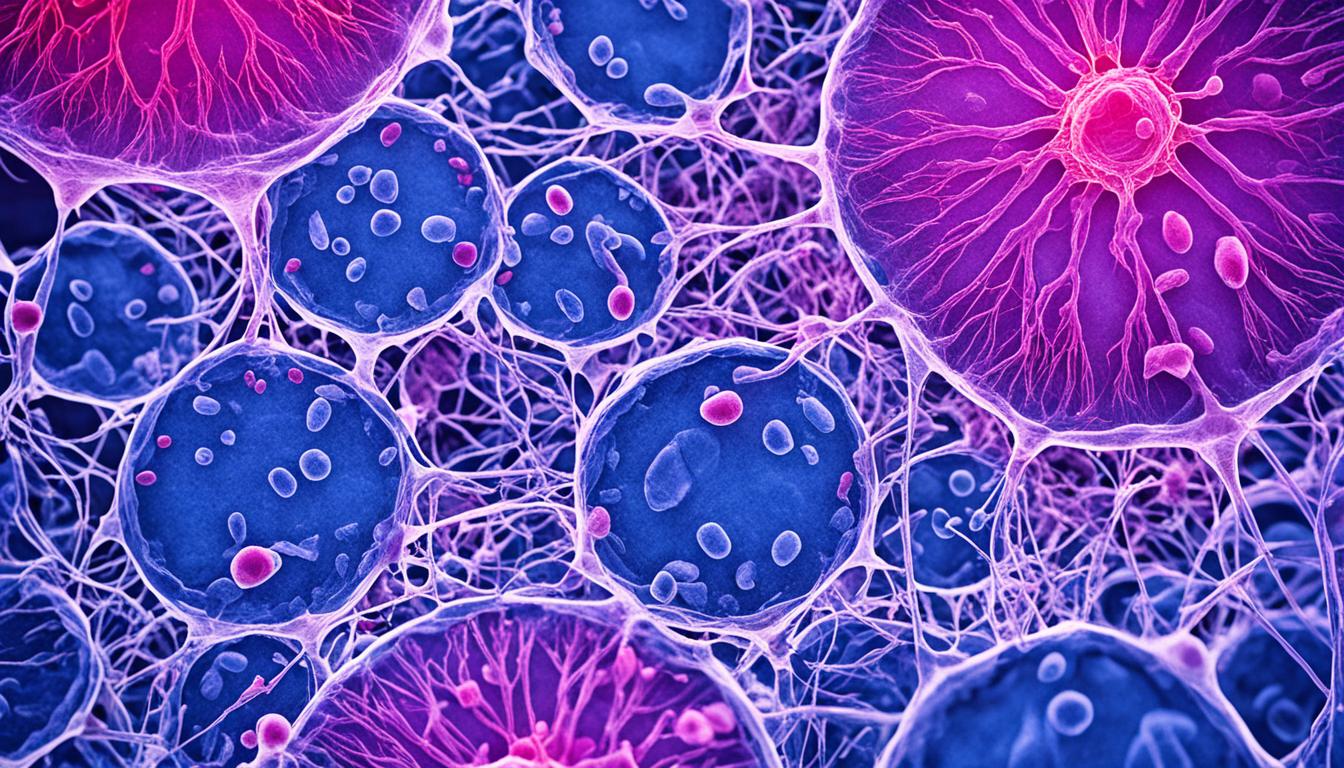
Researchers at the University Hospital of Bonn and the University of Bonn directly reprogrammed human red blood cell precursors into neural stem cells in the laboratory. Their study reports that the cells’ epigenetic clocks reset gradually, with cells from an 80-year-old donor showing a molecular age below 20; this is a laboratory finding, not evidence of a treatment that reverses aging in people.
Researchers at the University Hospital of Bonn and the University of Bonn have directly reprogrammed human red blood cell precursors into neural stem cells in laboratory experiments, reporting that the cells’ epigenetic age markers reset during the process. In cells from an 80-year-old donor, the measured molecular age fell below 20, the team said; the work does not show that a person’s body or overall health has been rejuvenated.
The study, published in Aging Cell, used transcription factors to redirect the developmental fate of blood-cell precursors. The researchers converted them directly into neural stem cells rather than first turning them into pluripotent stem cells, which can develop into many cell types. The resulting neural stem cells can give rise to neurons.
The team measured age-related DNA modifications used by epigenetic clocks. These markers concern how genetic information is regulated, not changes to the DNA sequence itself. According to the report, the reprogramming reset the clocks substantially; cells from an 80-year-old donor registered a molecular age of less than 20 years.
Unlike the faster age reset previously seen in a two-step reprogramming process, the direct conversion produced a gradual change that researchers tracked for more than 100 days. The Bonn team said the prolonged process could help identify factors or substances that speed up or slow down the cellular changes. The paper is by L. J. Berg and colleagues and has DOI 10.1111/acel.70751.
A Slow Window on Cellular Aging
The reported gradual change offers researchers a way to observe cellular reprogramming over time rather than only comparing cells before and after a rapid conversion. The team says this could support experiments into the mechanisms behind epigenetic age changes and help test which factors affect their pace. Such work could advance understanding of how cell identity and age markers interact, but it does not establish that the process can safely or effectively rejuvenate tissues in a living person.
The research has particular relevance to neuroscience because neural stem cells can produce brain cells, and age is a major risk factor for neurodegenerative conditions such as Alzheimer’s disease. That connection is a reason to study the biology, not evidence that the technique prevents or treats those disorders. Any medical application would require further research and evidence of safety and benefit.
As an affiliate, we earn on qualifying purchases.
Direct Conversion Versus Two Steps
Most cells share the same genetic makeup but acquire distinct roles as they develop. A blood cell does not naturally become a neuron. In laboratory reprogramming, transcription factors can change which genetic instructions a cell follows, redirecting it toward another cell type.
Earlier work had observed rejuvenation during a two-stage route: a mature cell is first converted into a pluripotent stem cell and then guided into a more specialized stem-cell type. The Bonn study instead took blood-cell precursors directly to neural stem cells. The researchers say this route took longer, allowing them to follow the age-marker reset across weeks. Earlier Bonn research also reported that lab-produced nerve cells formed connections with existing neurons after transplantation into mouse brains; that separate finding does not demonstrate a treatment for people.
“In our current study, however, we focused on a different phenomenon: namely, the observation that cells become significantly rejuvenated during reprogramming.”
— Prof. Oliver Brüstle, director of the Institute of Reconstructive Neurobiology at University Hospital Bonn
cell reprogramming laboratory tools
As an affiliate, we earn on qualifying purchases.
As an affiliate, we earn on qualifying purchases.
Limits of the Age Measurements
The findings concern cells grown and reprogrammed in a laboratory. The report does not establish that a molecular age reading below 20 means the cells are equivalent in every respect to cells from a young person, or that the same result would occur in the body. It also does not report a clinical intervention or patient outcomes.
The source report does not provide enough detail to assess the number of donors, the range of results across samples, or how consistently the clock reset occurred. The precise biological mechanisms behind the gradual change also remain under investigation. Epigenetic clock measurements are markers of age-related DNA modifications; they are not, by themselves, proof of longer life, restored function across the body, or reduced disease risk.
As an affiliate, we earn on qualifying purchases.
Testing the Reprogramming Timeline
The next research step described by the Bonn team is to use the extended conversion process to study which biological factors or active substances change the rate of epigenetic clock resetting. Because the reset develops over weeks, researchers can compare the process at different points rather than relying only on an endpoint measurement.
Further work would need to establish how reproducible the findings are across donors and cell samples, what functional changes accompany the clock measurements, and whether the method can be used safely beyond laboratory experiments. The study’s publication in Aging Cell makes the results available for scientific scrutiny; clinical use or an anti-aging treatment is not established by this report.
As an affiliate, we earn on qualifying purchases.
Key Questions
What did the Bonn researchers do?
They used transcription factors to convert human red blood cell precursors directly into neural stem cells in the laboratory, then tracked age-associated epigenetic markers during the process.
What does a molecular age below 20 mean?
The report says cells from an 80-year-old donor showed an epigenetic clock reading of less than 20 years. This refers to measured age-related DNA modifications, not the donor’s age, overall health, or proof that the cells function like young cells in every way.
Does this mean researchers can reverse aging in people?
No. The reported work was conducted on cells in a test tube. It does not show that the technique rejuvenates a person’s body, extends life, or prevents or treats an age-related disease.
Why did the direct method take longer?
The team bypassed an intermediate pluripotent stem-cell stage and converted blood-cell precursors directly into neural stem cells. The age-marker reset developed gradually and was tracked for more than 100 days, according to the report.
What are researchers expected to study next?
The Bonn researchers say the slow process can help them investigate which factors or substances speed up or slow down epigenetic rejuvenation. Reproducibility, cell function and safety would also need further study before any clinical relevance could be established.
Source: rss
Fall Picks
fall essentials
As an affiliate, we earn on qualifying purchases.