
TL;DR
Fitness trackers estimate activity, heart rate, sleep, and other measures using light sensors, motion sensors, and software. Their readings can help you spot patterns and build routines, but accuracy varies by metric and situation, and a tracker cannot diagnose a health condition. Choose one that fits your goals, privacy needs, budget, and daily life.
Your wrist can flash a neat little number after a restless night, a brisk walk, or a workout. That number may be useful, but it is an estimate built from sensors and software—not a tiny medical exam.

Get health and wellness essentials delivered free with Prime
- Fast, free delivery on millions of items
- Prime Video, Amazon Music and more included
- Member-only deals all year
Fitness trackers for health monitoring have grown from step counters into compact devices that can estimate heart rate, sleep, activity, and, on some models, other signals. You’ll learn what those numbers can tell you, where they can mislead, and how to pick a tracker that fits your real routine. Think of it as a notebook that updates itself: helpful for patterns, less helpful as a verdict.
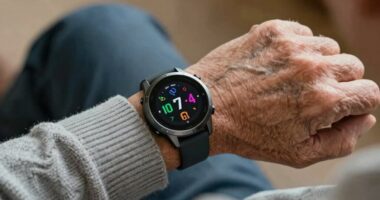
A wrist tracker estimates many measures from light, motion, and software; its screen does not provide a clinical diagnosis.
Use readings to notice personal patterns, especially over time, and treat sleep stages and calorie estimates with extra caution.
Choose one realistic habit to support, then change the target if tracking feels stressful or impractical.
For repeated alerts or persistent concerns, talk with a qualified healthcare professional; seek urgent care for severe symptoms.
Compare comfort, charging, phone support, subscriptions, privacy controls, and relevant feature status before buying.
What a fitness tracker can actually measure
Fitness trackers for health monitoring estimate everyday measures such as steps, active minutes, distance, heart rate, sleep duration, and calories. Some models also offer blood oxygen estimates, skin temperature trends, stress scores, menstrual-cycle features, or irregular-rhythm notifications. Which features you get depends on the device, model, and region.
Most use optical sensors, motion sensors, and algorithms. A wrist device commonly shines light into your skin and detects tiny changes in blood flow, a method called photoplethysmography, or PPG. An accelerometer and gyroscope track movement. Software combines those signals to estimate things such as steps or sleep timing.
That distinction matters when you read the screen: an estimate is not the same as a direct measurement from clinical equipment. For example, a tracker may count your brisk walk around the block and show an activity total, while a clinician uses different tools to assess a health concern. Both can have a purpose, but they answer different questions.
Newer features can sound more definitive than they are. An irregular-rhythm alert may flag a pattern for follow-up, while a temperature trend may show a change from your usual baseline. Neither tells you on its own what caused the change. Treat the display as a prompt to notice, not a label to diagnose.
Products Worth Considering

Withings Body Smart Wi-Fi and Bluetooth Body Composition Scale

Garmin Venu 4 GPS Fitness Smartwatch, 45 mm, Black Silicone

Oral-B iO5 Rechargeable Electric Toothbrush with 5 Cleaning Modes and Travel Case, White
As an affiliate, we earn on qualifying purchases.
Why your tracker is better at patterns than perfect readings
Fitness trackers for health monitoring are often most useful when you compare your own readings over time, because accuracy changes with the metric and the conditions. Step counts and resting heart-rate trends can help many people see broad patterns, but a loose band or vigorous movement can make readings less dependable.
Imagine checking your heart rate on a quiet Sunday morning, then checking it while pushing a stroller uphill. The first reading may be steadier; the second involves more arm movement and could be less precise. Fit, skin contact, tattoos, skin characteristics, and device design can also affect optical readings.
Sleep stages and calorie-burn estimates deserve extra caution. A tracker may estimate when you fell asleep and how long you slept, yet its stage labels come from algorithms rather than a clinical sleep study. Likewise, the calorie number can look exact down to the unit, even though it is an estimate—not a reliable energy ledger for planning every meal.
One unusual number often tells you less than a sustained change from your usual pattern. If your resting heart-rate trend stays different for days, you might note the timing and any relevant context, then discuss persistent concerns with a qualified professional. A single alert cannot confirm a condition, and a normal-looking screen cannot rule one out.
Use tracker feedback to build habits that last
Fitness trackers for health monitoring can support activity habits by making progress visible, offering reminders, and giving you a simple record to review. Their effect depends on the person: a friendly nudge may help you take a short walk, while a streak or score can make someone else feel watched and pressured.
Say you sit through back-to-back meetings and notice your step count is low by late afternoon. A gentle reminder could be the cue to walk to the kitchen, stretch, or take the longer route home. The benefit is not that the device knows what your body needs; it’s that the feedback can make an intention easier to act on.
Try this simple routine for a week:
- Choose one behavior, such as taking a short walk after lunch.
- Set a realistic target that works on an ordinary workday, not just a perfect weekend.
- Review the pattern weekly and adjust if the goal feels stressful or consistently out of reach.
Keep the tracker in its proper role: a support for your plan, not the boss of it. If a missed goal makes you anxious or pushes you to ignore pain, lower the pressure or take a break from tracking. A useful tool should fit your life; you should not have to organize your whole day around keeping a ring closed.
Know what an alert can—and cannot—tell you
Fitness trackers for health monitoring may flag patterns, but an alert does not diagnose a condition, and no alert does not prove everything is fine. Some devices can identify patterns that may be consistent with an irregular rhythm and prompt you to seek medical advice. They can also miss events or produce false alerts.
If your watch gives an unexpected reading after a workout, first check whether it sits snugly and whether you were moving. You can repeat the measurement if that makes sense for the feature, then note what happened. For repeated alerts or persistent concerns, share the device and its records with a healthcare professional rather than trying to interpret the number alone.
Symptoms matter more than waiting for the screen. If symptoms feel severe or urgent, seek emergency care instead of waiting for another reading or notification. A wearable is not a substitute for a clinician’s assessment, and a wellness feature is not automatically a medically validated or cleared diagnostic tool.
Availability and regulatory status can differ by product and country. In the United States, the FDA distinguishes general-wellness functions from medical-device functions. Before relying on a feature for a medical decision, check the maker’s description and the relevant status in your jurisdiction, then ask a qualified professional how to handle a result.
Compare the details that shape your everyday experience
Fitness trackers for health monitoring make the most sense when their features match a question you care about and their daily demands fit your routine. A long feature list can look impressive, but comfort, battery life, phone compatibility, accessibility, privacy, and subscription costs often matter more after the first week.
For example, someone who wants a simple step reminder may prefer a light band with a long battery life. Someone interested in an ECG feature should check whether that specific function is available and authorized for its intended use where they live. In both cases, wearing and charging the device consistently may matter more than a feature they rarely open.
| What to compare | Why it matters | Everyday example |
|---|---|---|
| Comfort and fit | Good contact supports consistent wear and sensor readings. | A band that rubs at night may leave your sleep record full of gaps. |
| Battery and charging | Charging needs can interrupt tracking. | A short battery life may be a nuisance if you want overnight estimates. |
| Phone support and cost | Some features rely on compatible apps or paid plans. | Check whether your phone works with the app before buying. |
| Privacy and data controls | Health and location data can be sensitive. | Review sharing settings and whether you can delete or export your records. |
Start with the question you want answered, then compare only the features that help with it. Ask what data the company collects, how long it keeps the data, whether it shares information with third parties, and what account security and deletion controls it provides. A tracker you trust and enjoy wearing is more useful than a sophisticated one left in a drawer.
Frequently Asked Questions
Can a fitness tracker diagnose a health condition?
Usually, no. Most consumer trackers support wellness or flag patterns for follow-up; diagnosis requires appropriate clinical evaluation. If a result worries you, discuss it with a qualified healthcare professional.
How accurate are fitness tracker heart-rate readings?
Accuracy varies with activity, fit, device design, and individual factors. Readings may be useful for resting measurements and broad trends, while a clinician’s equipment is more appropriate when precision matters.
Can a tracker detect an irregular heartbeat?
Some devices can flag patterns that may be consistent with an irregular rhythm and suggest follow-up. They can miss events or produce false alerts, so an alert is not a diagnosis and no alert does not rule out a problem.
Are fitness tracker sleep scores reliable?
They can help show estimated sleep timing and broad patterns, but sleep-stage labels and sleep-quality scores are algorithmic estimates. They are not equivalent to a clinical sleep study.
What should I do about an alarming reading?
Check the fit and repeat a measurement when appropriate, but do not wait for a tracker if symptoms are severe or urgent—seek emergency care. For repeated alerts or persistent concerns, speak with a healthcare professional.
Are fitness tracker data private?
Privacy depends on the device maker, app, account settings, and local law. Review what the company collects, how it shares and stores data, and whether you can delete or export it; use strong account security where available.
Conclusion
Use a tracker as a pattern finder and habit prompt, not as the final word on your health. Start with one question—perhaps whether a short lunch walk helps you move more—and see whether the device makes that choice easier.
Then let the numbers sit beside your own experience and, when health concerns persist, a professional’s judgment. Your wrist can keep the notes; you still get to decide what deserves attention.